
Kathi-Ann Busha
LCMHCUtah · 6 yrs exp
Stress, Anxiety · Trauma and abuse · Self esteem · Depression · +8 more
Read profileThe therapist listings are provided by BetterHelp and we will earn a commission if you use our link - at no cost to you.
Welcome to the Utah IFS therapist directory. All therapists listed are licensed and include Internal Family Systems among their clinical approaches. Explore the profiles to compare focus areas, credentials, languages, and experience as you look for the best fit.
Utah · 6 yrs exp
Stress, Anxiety · Trauma and abuse · Self esteem · Depression · +8 more
Read profile
Utah · 12 yrs exp
Stress, Anxiety · Addictions · Relationship · Family · +14 more
Read profile
Utah · 7 yrs exp
Stress, Anxiety · Relationship · Trauma and abuse · Depression · +12 more
Read profile
Utah · 3 yrs exp
Stress, Anxiety · Relationship · Self esteem · Depression · +7 more
Read profile
Utah · 4 yrs exp
Addictions · Relationship · Trauma and abuse · Self esteem · +1 more
Read profile
Utah · 12 yrs exp
Stress, Anxiety · Family · Trauma and abuse · Parenting · +12 more
Read profile
Utah · 6 yrs exp
Stress, Anxiety · Addictions · Relationship · Trauma and abuse · +12 more
Read profile
Utah · 35 yrs exp
Relationship · Family · Trauma and abuse · Intimacy-related issues · +16 more
Read profile
Utah · 5 yrs exp
Relationship · Family · Self esteem · Depression · +16 more
Read profile
Utah · 14 yrs exp
Stress, Anxiety · Grief · Depression · Coping with life changes · +14 more
Read profile
Utah · 20 yrs exp
Stress, Anxiety · Addictions · Relationship · Family · +13 more
Read profile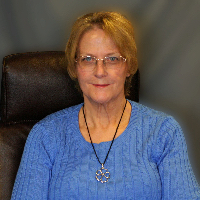
Utah · 25 yrs exp
Stress, Anxiety · Family · Trauma and abuse · Anger · +15 more
Read profile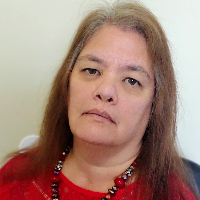
Utah · 17 yrs exp
Stress, Anxiety · Trauma and abuse · Anger · Depression · +13 more
Read profile
Utah · 22 yrs exp
Addictions · Relationship · Trauma and abuse · Stress, Anxiety · +11 more
Read profile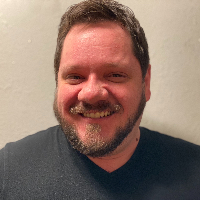
Utah · 11 yrs exp
Stress, Anxiety · LGBT · Relationship · Trauma and abuse · +9 more
Read profile
Utah · 9 yrs exp
Grief · Parenting · Self esteem · Coping with life changes · +9 more
Read profile
Utah · 25 yrs exp
Relationship · Family · Parenting · Anger · +14 more
Read profile
Utah · 9 yrs exp
Stress, Anxiety · Addictions · Relationship · Family · +11 more
Read profile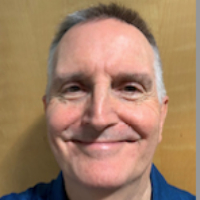
Utah · 35 yrs exp
Stress, Anxiety · Addictions · Relationship · Anger · +13 more
Read profile
Utah · 21 yrs exp
Stress, Anxiety · Trauma and abuse · Parenting · Depression · +13 more
Read profile
Utah · 7 yrs exp
Stress, Anxiety · Relationship · Family · Depression · +6 more
Read profile
Utah · 5 yrs exp
Stress, Anxiety · Anger · Self esteem · Depression · +11 more
Read profile
Utah · 9 yrs exp
Parenting · Self esteem · Career · Coping with life changes · +10 more
Read profile
Utah · 21 yrs exp
Stress, Anxiety · Relationship · Family · Trauma and abuse · +14 more
Read profileIf you are looking for Internal Family Systems-oriented care in Utah, online sessions have expanded access across the state. IFS is an approach that begins from the assumption that your mind is naturally multiple - that you have a Self, and a variety of parts that developed to protect you or carry pain. Rather than trying to override or erase those parts, the work gets to know them, especially the protectors who act as managers or firefighters and the exiles who hold wounds. The goal is to cultivate your Self - the calm, curious core that can lead internal dialogue and healing.
In Utah, many licensed clinicians list IFS among their clinical approaches. That means they incorporate parts work into their practice in different ways, often alongside other modalities. If you live in a rural area, commute-heavy community, or simply prefer remote sessions, online formats make it possible to work with therapists who focus on parts work without needing to travel to a major city. When you read practitioner profiles, pay attention to how they describe their use of Internal Family Systems and what populations they commonly work with so you can match their focus to your needs.
IFS is often chosen by people who feel at war with themselves - when one reaction repeatedly overrides another, or when internal conflict prevents you from moving toward your goals. You might notice a pattern where a harsh inner voice shuts down curiosity, or an intense reactive impulse takes over after stressful events. Parts work offers a different map: it identifies protectors - managers that try to prevent harm through control and planning, and firefighters that respond with urgent action when an exile’s pain is triggered - and helps you understand their motives.
Practitioners in Utah commonly use IFS with trauma and childhood wounds, persistent anxiety, chronic depression, severe self-criticism, shame, compulsive or addictive patterns, eating difficulties, and recurring relationship dynamics. Rather than focusing only on changing behavior or teaching skills, parts work often focuses on how internal roles contribute to those difficulties and on cultivating your Self to relate differently to them. People seeking relief from repetitive internal fights or from feelings that they are “stuck” often find this perspective clarifying, because it reframes symptoms as protective efforts rather than personal failure.
Because much of IFS is internal and reflective, video sessions can support the central elements of the work. You and your therapist will typically use conversation, curiosity, and guided attention to notice parts, track sensations, and practice Self-led responses. For some people, being in their own home during sessions helps parts feel safer; for others, an office setting is preferable. Either way, what matters most is that you have a quiet, uninterrupted space where you can focus and attend to internal experience.
In online practice you may also use tools like gentle movement, breath work, drawing, or guided imagery to access parts and their felt sense. Therapists often invite you to describe sensations, images, or memories that arise and to intentionally approach those parts with curiosity. Bear in mind that state changes can be intense; you should discuss safety planning and any medical considerations with your clinician. Also note that to provide ongoing telehealth treatment to Utah residents, a clinician generally needs an active Utah license. When reading profiles, look for information about licensure and ask about the clinician's experience offering IFS-oriented care online.
Verifying a therapist's license is an important step when you are evaluating options. The Utah Division of Occupational and Professional Licensing, often referred to as DOPL, maintains an online license lookup where you can search by name or license number. The lookup will show whether a license is active, the license type such as LPC, LCSW, LMFT, or psychologist, the license expiration date, and any disciplinary actions or restrictions.
When you review a profile, note the clinician's stated license type and professional degree, then use the state lookup to confirm the information. If a profile lists a professional organization membership, training level, or institute work, you can ask the clinician directly during an initial consultation which Institute levels they have completed and whether they pursued formal certification. The directory indicates that these therapists include Internal Family Systems among their approaches; it does not imply a particular Institute credential. If you have concerns about disciplinary history or scope of practice, the DOPL record is the primary public source for that information.
Deciding on a therapist is both practical and personal. Start by thinking about the characteristics that matter most to you - clinical focus, years of experience, language, cultural background, and therapeutic style. When you review profiles, compare focus areas, approaches, credentials, languages, and experience rather than availability. Ask clinicians about their experience using Internal Family Systems specifically: which Institute levels they have completed, whether they pursued formal certification, and how they typically integrate parts work into sessions. Many clinicians pursue some IFS Institute coursework without completing certification, and that is a common path; asking directly will give you a clearer picture of their training history and approach.
In an initial consultation you can also get a sense of fit by observing how the clinician talks about parts work. Do they describe a curiosity-based stance toward internal parts, emphasizing that no part is bad? Do they explain protectors as managers and firefighters and acknowledge exiles as carriers of hurt? Do they emphasize the Self as a guiding presence? These cues can help you assess whether the therapist’s orientation aligns with the IFS perspective you are seeking. Consider too whether you prefer in-person sessions for certain phases of therapy, or whether a fully online course of care would be more practical given your schedule and location. Either route can be compatible with parts work; the most important factor is that you feel understood, respected, and able to engage in the exploratory process.
As you move from browsing profiles to reaching out, keep a short list of questions that matter most to you: the clinician’s experience with parts work, which Institute levels they completed, licensure details, languages spoken, and whether they have experience with the specific issues you are facing. It is reasonable to ask about how they integrate Internal Family Systems with other approaches, and how they structure sessions when working online. You should also ask about practical matters such as session length and fees, as those logistical elements can shape what is sustainable for you.
Finding a clinician who lists Internal Family Systems among their approaches is a promising start, but it is one part of choosing a therapeutic relationship that fits your needs. Take time to review profiles, verify licensure through Utah’s licensing resources, and ask direct questions about training and approach. With that information, you will be better positioned to select a clinician whose experience and style align with the parts work you are seeking.
Addictions
1144 therapists
ADHD
1068 therapists
Anger
1326 therapists
Control Issues
1214 therapists
Depression
1835 therapists
Dissociation
567 therapists
Eating Disorders
561 therapists
Grief
1521 therapists
Guilt and Shame
1685 therapists
Impulsivity
1041 therapists
Intimacy Issues
1160 therapists
Isolation / Loneliness
1502 therapists
OCD
752 therapists
Panic Disorder and Panic Attacks
1168 therapists
Post-Traumatic Stress
1521 therapists
Self Esteem
1791 therapists
Self-Harm
751 therapists
Sexual Trauma
806 therapists
Social Anxiety and Phobia
1437 therapists
Stress & Anxiety
1989 therapists
Trauma and Abuse
1735 therapists
Abandonment
1277 therapists
Attachment Issues
1391 therapists
Body Image
902 therapists
Codependency
1241 therapists
Compassion Fatigue
1155 therapists
Coping with Life Changes
1705 therapists
Family
1580 therapists
Family of Origin Issues
1198 therapists
Parenting
1355 therapists
Relationship
1777 therapists
Self-Love
1622 therapists