
Anne Douglas
LMFTNorth Carolina · 25 yrs exp
Stress, Anxiety · Relationship · Family · Grief · +15 more
Read profileThe therapist listings are provided by BetterHelp and we will earn a commission if you use our link - at no cost to you.
This directory highlights therapists who list Internal Family Systems among their approaches and focus on self-love using parts work. Browse the listings below to view profiles, specialties, languages, and to inquire about each clinician's training and licensure.
North Carolina · 25 yrs exp
Stress, Anxiety · Relationship · Family · Grief · +15 more
Read profile
Colorado · 19 yrs exp
Stress, Anxiety · Relationship · Trauma and abuse · Grief · +12 more
Read profile
Florida · 20 yrs exp
Stress, Anxiety · Addictions · Relationship · Self esteem · +16 more
Read profile
Oregon · 26 yrs exp
Stress, Anxiety · Trauma and abuse · Grief · Depression · +10 more
Read profile
Kansas · 12 yrs exp
Stress, Anxiety · Relationship · Intimacy-related issues · Depression · +13 more
Read profile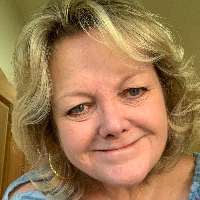
Colorado · 17 yrs exp
Relationship · Trauma and abuse · Parenting · Self esteem · +8 more
Read profile
Colorado · 15 yrs exp
Stress, Anxiety · Relationship · Intimacy-related issues · Self esteem · +10 more
Read profile
Louisiana · 7 yrs exp
Stress, Anxiety · Family · Trauma and abuse · Parenting · +15 more
Read profile
Missouri · 7 yrs exp
Stress, Anxiety · Addictions · Relationship · Self esteem · +13 more
Read profile
Louisiana · 10 yrs exp
Stress, Anxiety · Relationship · Family · Depression · +12 more
Read profile
Texas · 10 yrs exp
Stress, Anxiety · Relationship · Family · Depression · +14 more
Read profile
Ohio · 18 yrs exp
Stress, Anxiety · Trauma and abuse · Grief · Anger · +11 more
Read profile
Missouri · 14 yrs exp
Stress, Anxiety · Self esteem · Career · Depression · +13 more
Read profile
California · 8 yrs exp
Stress, Anxiety · Addictions · Relationship · Self esteem · +15 more
Read profile
Texas · 22 yrs exp
Stress, Anxiety · Relationship · Trauma and abuse · Depression · +16 more
Read profile
New Jersey · 8 yrs exp
Stress, Anxiety · Relationship · Trauma and abuse · Bipolar · +14 more
Read profile
Indiana · 8 yrs exp
Stress, Anxiety · Addictions · Family · Trauma and abuse · +15 more
Read profile
Utah · 6 yrs exp
Stress, Anxiety · Trauma and abuse · Self esteem · Depression · +8 more
Read profile
Virginia · 31 yrs exp
Stress, Anxiety · Relationship · Family · Trauma and abuse · +12 more
Read profile
Florida · 17 yrs exp
Stress, Anxiety · Trauma and abuse · Eating · Self esteem · +14 more
Read profile
Georgia · 17 yrs exp
Relationship · Family · Trauma and abuse · Career · +13 more
Read profile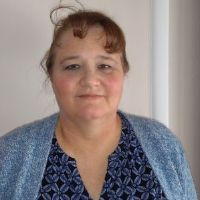
Nebraska · 25 yrs exp
Stress, Anxiety · Family · Trauma and abuse · Parenting · +12 more
Read profile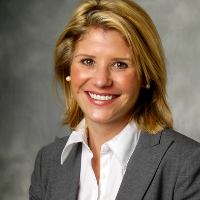
South Carolina · 20 yrs exp
Stress, Anxiety · Relationship · Eating · Self esteem · +10 more
Read profile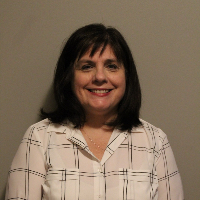
New York · 36 yrs exp
Stress, Anxiety · Family · Parenting · Self esteem · +7 more
Read profileIf you struggle to treat yourself kindly, feel cut off from your own warmth, or are often at war with parts of yourself, the experience can feel like an internal tug-of-war. Internal Family Systems, developed by Richard Schwartz in the 1980s, begins from a different assumption: your mind is naturally multiple. You have parts with different roles and intentions and a central Self that holds qualities such as calm, curiosity, compassion, clarity, courage, confidence, creativity, and connectedness. When self-love feels out of reach, it is often because protective parts have taken on rigid roles that keep you safe from pain but also keep self-compassion out of reach.
In everyday terms, a harsh inner critic may be a manager part trying to prevent rejection by keeping you hyper-vigilant and accomplished. Or a part that numbs with busyness or substance use may be a firefighter trying to extinguish the sensation of shame. Exiles - younger, wounded parts - carry the original hurt that these protectors are shielding you from. IFS aims to shift the relationship you have with those protectors so you can access Self-led compassion and rebuild an internal climate where self-love grows rather than being chased away.
IFS works by helping you learn about your internal system rather than trying to forcibly change how you feel. Because protectors are trying to help, directly attacking them often strengthens them. Instead, IFS invites curiosity and respectful dialogue. You learn to unblend from a part so you can speak for it rather than from it. That unblending creates space where the Self can listen, soothe, and lead. With time, protectors can relax their roles when they feel seen and understood, and exiles can be allowed to release burdens they have carried, like shame, loneliness, or fear.
The typical protective pattern when self-love is scarce involves a coalition of managers and firefighters whose combined work keeps exiled shame out of awareness. A manager might drive perfectionism, trying to prevent the perceived consequences of being seen as flawed. A firefighter might react with avoidance, distraction, or self-criticism when that shame surfaces. Rather than labeling these parts as bad, IFS names their function and asks what they are protecting you from. That shift - from fighting parts to understanding them - is often the turning point for people seeking a more compassionate relationship with themselves.
Sessions usually begin with stabilizing the system so you feel relatively present and able to observe your inner experience. Early work often centers on identifying and getting to know key protectors - noticing where they show up in your body, what they believe, and what they fear. The therapist will often encourage you to approach parts with curiosity and respect, asking you to describe a part rather than act from it. This fosters unblending so you can reflect rather than react.
As you and the therapist build trust with protectors, you may be invited to ask permission to go deeper toward an exile. That permission-based pacing is important because protectors are vigilant; rushing past them can make them tighten their defenses. When an exile is ready, unburdening work helps release extreme beliefs or burdens it has carried. Over time, you often notice the tone of your internal dialogue shifting - the inner critic may become less authoritarian, and a quieter, compassionate Self stance becomes more accessible. Pace varies by person; some experience meaningful shifts in a few months, and for others the work unfolds over a longer period depending on the depth of the exiles and the complexity of protective networks.
IFS is particularly helpful if you are dealing with entrenched self-criticism, long-standing shame, or a sense that parts of you are sabotaging your attempts at self-care. Because it works with protective intentions and the internal system, it can feel less like fixing a problem and more like restoring relationships inside yourself. IFS is distinct from skills-based therapies such as cognitive behavioral therapy or dialectical behavior therapy, which focus on techniques to change thoughts, emotions, or behaviors. Those methods offer practical tools and can be effective for many concerns. IFS, by contrast, emphasizes relationship and transformation within the internal landscape and is often used alongside trauma-informed approaches when early wounds underlie current patterns.
Other trauma-informed modalities, like EMDR, may focus directly on processing traumatic memory networks. An IFS therapist might integrate elements of those approaches when the work calls for it, or collaborate with clinicians who specialize in complementary practices. If you are considering which path to take, think about whether you want a process that explores who is trying to protect you and how they might be helped to relax, or whether you prefer a more directive approach focused on skill-building. Many people find benefit in blended care that addresses practical coping skills while also tending to the parts that drive those behaviors.
Because many clinicians list Internal Family Systems among their approaches, it helps to ask clear questions in an initial consultation about how they use IFS with clients who want to build self-love. You can inquire about the therapist's experience working with parts work, whether they incorporate other methods, and what kinds of issues they most frequently address. The IFS Institute offers Level 1 through Level 3 trainings and a separate certification process, so asking about training specifics is reasonable - but listing IFS as an approach does not guarantee completion of any particular training pathway. Ask directly about training history if that matters to you, and verify professional licensure in your jurisdiction.
Consider fit beyond credentials. Think about the therapist's focus areas, cultural competence, languages offered, and therapeutic style. In a consultation you can sense whether they invite curiosity about your parts, encourage you to notice inner experience in a gentle way, and prioritize pacing that feels tolerable to you. Because IFS is reflective and relational, many people find the work translates well to video sessions. The internal focus - noticing sensations, dialogues, and images - can be effectively supported through teletherapy, provided you and the clinician establish a clear plan for safety and grounding during difficult moments.
Choosing a therapist is a personal decision and it is reasonable to ask how they typically approach parts work for self-love, how they help clients access Self qualities, and how they coordinate care if you also see other providers. A therapist who listens to your goals, explains IFS language in plain terms, and invites you to move at a pace you can tolerate is often a good fit for the kind of compassionate, internally focused work that supports lasting self-love.
Alabama
28 therapists
Alaska
6 therapists
Arizona
31 therapists
Arkansas
8 therapists
California
189 therapists
Colorado
70 therapists
Connecticut
20 therapists
Delaware
6 therapists
District of Columbia
6 therapists
Florida
234 therapists
Georgia
83 therapists
Hawaii
9 therapists
Idaho
19 therapists
Illinois
76 therapists
Indiana
42 therapists
Iowa
5 therapists
Kansas
21 therapists
Kentucky
26 therapists
Louisiana
45 therapists
Maine
5 therapists
Maryland
20 therapists
Massachusetts
23 therapists
Michigan
81 therapists
Minnesota
31 therapists
Mississippi
21 therapists
Missouri
67 therapists
Montana
16 therapists
Nebraska
16 therapists
Nevada
15 therapists
New Hampshire
8 therapists
New Jersey
38 therapists
New Mexico
12 therapists
New York
83 therapists
North Carolina
84 therapists
North Dakota
4 therapists
Ohio
47 therapists
Oklahoma
46 therapists
Oregon
19 therapists
Pennsylvania
75 therapists
Rhode Island
3 therapists
South Carolina
36 therapists
South Dakota
4 therapists
Tennessee
36 therapists
Texas
202 therapists
Utah
44 therapists
Vermont
9 therapists
Virginia
33 therapists
Washington
29 therapists
West Virginia
8 therapists
Wisconsin
42 therapists
Wyoming
6 therapists