
Jaret Romano
LPC, LCMHCNew Hampshire · 10 yrs exp
Stress, Anxiety · Addictions · Trauma and abuse · Self esteem · +15 more
Read profileThe therapist listings are provided by BetterHelp and we will earn a commission if you use our link - at no cost to you.
Welcome to the New Hampshire directory for therapists who list Internal Family Systems (IFS) among their clinical approaches. All listed professionals are licensed in New Hampshire and include IFS on their profiles - explore the clinician pages below to learn about each clinician's focus and background.
New Hampshire · 10 yrs exp
Stress, Anxiety · Addictions · Trauma and abuse · Self esteem · +15 more
Read profile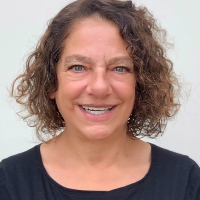
New Hampshire · 7 yrs exp
Trauma and abuse · Grief · Intimacy-related issues · Self esteem · +15 more
Read profile
New Hampshire · 13 yrs exp
Stress, Anxiety · Grief · Self esteem · Career · +11 more
Read profile
New Hampshire · 18 yrs exp
Stress, Anxiety · Relationship · Family · Grief · +11 more
Read profile
New Hampshire · 15 yrs exp
Stress, Anxiety · Family · Trauma and abuse · Parenting · +13 more
Read profile
New Hampshire · 40 yrs exp
Stress, Anxiety · Relationship · Trauma and abuse · Self esteem · +1 more
Read profile
New Hampshire · 16 yrs exp
Stress, Anxiety · Trauma and abuse · Self esteem · Coping with life changes · +1 more
Read profile
New Hampshire · 5 yrs exp
Stress, Anxiety · Relationship · Family · Grief · +1 more
Read profileIf you live in New Hampshire and are seeking parts work, you are looking for a model that treats the mind as naturally multiple and curious rather than broken. Internal Family Systems frames your experience in terms of parts - protectors, exiles, and the Self - and sees symptoms as efforts by parts to keep you functioning. In practice, that means a therapist who works with IFS will help you get to know the parts that show up in difficult moments rather than trying to suppress or override them. Protectors are often grouped into managers, which try to prevent pain proactively, and firefighters, which react quickly to push pain away.
Parts work tends to be a good fit for people who feel at war with themselves, find a single reaction repeatedly taking over their life, or carry a harsh inner critic. In New Hampshire, many clinicians who include IFS on their profiles offer this approach online, which expands access across rural and urban communities alike. The distinctiveness of IFS is not that it denies practical skills work but that it prioritizes understanding the motives of parts and inviting the Self - the calm, curious leadership within you - to guide change.
IFS is used for a wide range of difficulties that often share the experience of internal conflict. If you feel a sense of being pulled between competing urges, or if shame and self-criticism repeatedly derail your intentions, parts work offers a different vocabulary for that struggle. Therapists in New Hampshire commonly apply IFS to trauma and childhood wounds where exiled parts hold painful memories and feelings that protectors work hard to keep out of awareness. Rather than force those memories away, IFS helps you build a relationship with the protectors so that exiled material can be tended in a paced, contained way.
Beyond trauma, people seek IFS for anxiety and depression when symptoms seem to come from multiple inner voices rather than a single cause. Those who struggle with addictive or compulsive patterns, eating difficulties, or longstanding relationship cycles may find that parts work reveals why certain responses feel automatic and how to bring mindful leadership to them. IFS can also be useful when self-criticism and shame dominate your internal world - learning to meet the critic with curiosity instead of punishment can shift how you treat yourself and others. Importantly, IFS complements skills-based approaches. While Cognitive Behavioral Therapy or Dialectical Behavior Therapy teach practical tools, IFS explores the internal system that drives the urge to use those tools, so the two can be used together when appropriate.
Because IFS emphasizes internal observation and the development of a compassionate stance toward parts, video sessions often work well for this model. You and your therapist can talk through experiences, notice bodily sensations, and pause for reflection in real time. For many people in New Hampshire, online sessions remove travel barriers and make it easier to maintain continuity of care across seasons or when you are away from home. What matters more than the exact setting is that you have an uninterrupted, comfortable environment where you can focus and feel safe enough to explore internal material. If you are doing parts work at home, arranging a quiet room or private space and checking in about what you might need if emotions become intense are practical steps to prepare for sessions.
Therapists who work online with New Hampshire residents must hold a license that permits them to practice with clients in this state. Laws and professional rules vary by license type and can change, so it is reasonable to ask any clinician how they are licensed and where they are authorized to practice. During sessions, your therapist will likely guide you in pacing the work, establishing boundaries around intense material, and using grounding strategies as needed. If you prefer to shift between online and in-person work, discuss that with a clinician so you can plan what will feel most supportive for your process.
Verifying licensure is an important step in choosing a clinician. To check a therapist's credentials in New Hampshire, start with the state licensure database maintained by the relevant licensing office. You can search using the clinician's full name or license number to confirm their license type, current status, and expiration date. The database may also note any disciplinary actions. If the online search is unclear, you can call the licensing office directly and ask for confirmation or guidance about what the license allows. When you contact a therapist, you can request their license number and the exact title of their credential so you can match that information with the public record.
Different licenses cover different scopes of practice. Licensed professional counselors, clinical social workers, marriage and family therapists, and psychologists hold distinct credentials and training backgrounds. Depending on what you are seeking, you may want to ask about the therapist's clinical focus and experience with specific issues in addition to verifying the license. Documenting licensure and asking for clarifying information from the licensing office helps you make an informed choice and ensures the clinician you consult is authorized to practice with New Hampshire residents.
When you evaluate fit, it helps to ask concrete questions about a therapist's IFS background and their clinical experience with issues like trauma, addiction, or relationships. The IFS Institute offers Level 1 through Level 3 trainings and a separate certification pathway, and many clinicians pursue some combination of workshops, mentorship, and ongoing study. Because listing IFS as an approach does not indicate completion of a specific training or certification, you should feel comfortable asking whether the clinician has completed particular coursework, participated in IFS consultation groups, or worked with an IFS supervisor. Asking for examples of how they integrate parts work into sessions can make differences in emphasis more tangible.
Fit is not only about training. In an initial consultation, pay attention to whether the therapist explains the model in a way that makes sense to you, how they describe pacing and safety when exploring difficult parts, and whether they invite your questions. Discussing session length, frequency, fees, and the therapist's approach to crises can clarify whether the working relationship would meet your needs. Consider the therapist's stated specialty areas, languages, and experience with populations similar to yours. For residents weighing in-person versus online, reflect on what matters most for your comfort and healing. Some people prefer in-person sessions for embodied work, while others find online sessions more convenient and easier to maintain consistently. Either format can support deep parts work when the clinician and client establish clear boundaries and pacing together.
Ultimately, choosing an IFS therapist in New Hampshire means balancing professional qualifications with relational fit. Ask directly about licenses and about the specific IFS training or coursework a clinician has completed, and listen for how they describe partnering with you to build Self-led curiosity and compassion. Taking time to research, verify credentials, and ask about approach will help you find a therapist whose methods and experience align with what you are seeking in parts work.
Addictions
1170 therapists
ADHD
1088 therapists
Anger
1352 therapists
Control Issues
1240 therapists
Depression
1881 therapists
Dissociation
579 therapists
Eating Disorders
572 therapists
Grief
1555 therapists
Guilt and Shame
1728 therapists
Impulsivity
1070 therapists
Intimacy Issues
1181 therapists
Isolation / Loneliness
1544 therapists
OCD
766 therapists
Panic Disorder and Panic Attacks
1199 therapists
Post-Traumatic Stress
1560 therapists
Self Esteem
1835 therapists
Self-Harm
768 therapists
Sexual Trauma
830 therapists
Social Anxiety and Phobia
1467 therapists
Stress & Anxiety
2040 therapists
Trauma and Abuse
1780 therapists
Abandonment
1309 therapists
Attachment Issues
1431 therapists
Body Image
925 therapists
Codependency
1265 therapists
Compassion Fatigue
1174 therapists
Coping with Life Changes
1742 therapists
Family
1617 therapists
Family of Origin Issues
1220 therapists
Parenting
1380 therapists
Relationship
1820 therapists
Self-Love
1662 therapists