
Anne Douglas
LMFTNorth Carolina · 25 yrs exp
Stress, Anxiety · Relationship · Family · Grief · +15 more
Read profileThe therapist listings are provided by BetterHelp and we will earn a commission if you use our link - at no cost to you.
This page highlights clinicians who list Internal Family Systems among their approaches for working with obsessive-compulsive patterns. Browse the listings below to review therapists' focus areas, approaches, credentials, languages, and experience.
North Carolina · 25 yrs exp
Stress, Anxiety · Relationship · Family · Grief · +15 more
Read profile
Colorado · 19 yrs exp
Stress, Anxiety · Relationship · Trauma and abuse · Grief · +12 more
Read profile
Florida · 20 yrs exp
Stress, Anxiety · Addictions · Relationship · Self esteem · +16 more
Read profile
Oregon · 26 yrs exp
Stress, Anxiety · Trauma and abuse · Grief · Depression · +10 more
Read profile
Colorado · 15 yrs exp
Stress, Anxiety · Relationship · Intimacy-related issues · Self esteem · +10 more
Read profile
Missouri · 7 yrs exp
Stress, Anxiety · Addictions · Relationship · Self esteem · +13 more
Read profile
Louisiana · 10 yrs exp
Stress, Anxiety · Relationship · Family · Depression · +12 more
Read profile
Texas · 10 yrs exp
Stress, Anxiety · Relationship · Family · Depression · +14 more
Read profile
Texas · 22 yrs exp
Stress, Anxiety · Relationship · Trauma and abuse · Depression · +16 more
Read profile
New Jersey · 8 yrs exp
Stress, Anxiety · Relationship · Trauma and abuse · Bipolar · +14 more
Read profile
Indiana · 8 yrs exp
Stress, Anxiety · Addictions · Family · Trauma and abuse · +15 more
Read profile
Virginia · 31 yrs exp
Stress, Anxiety · Relationship · Family · Trauma and abuse · +12 more
Read profile
Florida · 17 yrs exp
Stress, Anxiety · Trauma and abuse · Eating · Self esteem · +14 more
Read profile
Mississippi · 25 yrs exp
Stress, Anxiety · Relationship · Family · Grief · +15 more
Read profile
Illinois · 12 yrs exp
Trauma and abuse · Self esteem · Coping with life changes · Coaching · +8 more
Read profile
Ohio · 17 yrs exp
Stress, Anxiety · Family · Parenting · Depression · +12 more
Read profile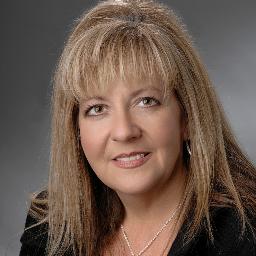
Kansas · 17 yrs exp
Stress, Anxiety · Relationship · Family · Anger · +10 more
Read profile
Florida · 28 yrs exp
Stress, Anxiety · Addictions · Trauma and abuse · Self esteem · +13 more
Read profile
Missouri · 17 yrs exp
Stress, Anxiety · Addictions · Relationship · Anger · +9 more
Read profile
Tennessee · 35 yrs exp
Addictions · Relationship · Family · Trauma and abuse · +1 more
Read profile
Texas · 20 yrs exp
Stress, Anxiety · Relationship · Family · Trauma and abuse · +13 more
Read profile
Florida · 20 yrs exp
Stress, Anxiety · Relationship · Grief · Self esteem · +1 more
Read profile
North Carolina · 20 yrs exp
Stress, Anxiety · Addictions · LGBT · Relationship · +1 more
Read profile
Montana · 23 yrs exp
Stress, Anxiety · Family · Trauma and abuse · Parenting · +12 more
Read profileIf you live with obsessive thoughts, compulsive urges, or ritualized behaviors, the experience can feel like being at war with your own mind. Internal Family Systems reframes that internal struggle by naming the parts that protect you and the vulnerable parts they try to shield. Instead of framing the goal as simply eliminating symptoms, IFS invites you to get curious about the protective patterns - the managers and firefighters - and the exiles they hold at bay. This approach begins with the idea that no part is inherently bad; each developed roles to keep you functioning amid pain. When you stop battling a part and instead learn its positive intent, you open the possibility for different responses that reduce reactivity and create room for your Self to lead.
Compulsive behaviors often serve an urgent purpose for protectors. A checking ritual might be trying to prevent catastrophic thinking from flooding awareness; a mental neutralizing routine may be attempting to quiet intolerable shame or anxiety. When you confront these urges by force or self-criticism, protectors typically intensify because their job is to avoid the very experience they fear. IFS encourages you to approach those protectors with curiosity - to ask what they are trying to keep you from feeling - and to build a trusting relationship where parts can step back without the whole system feeling endangered.
At the heart of IFS is a map of the psyche that names managers, firefighters, exiles, and the Self. Managers are protective parts that run preemptive strategies - perfectionism, rule-following, avoidance - designed to prevent pain from surfacing. Firefighters act reactively when pain breaks through and often do so with behaviors that are impulsive or numbing. Exiles carry raw emotion, memories, and sensations that have been pushed away. The Self embodies qualities such as calm, curiosity, compassion, clarity, courage, confidence, creativity, and connectedness. In IFS work you are invited to cultivate Self presence so you can relate to parts rather than be driven by them.
When you notice obsessive thoughts, recognize that a protector is likely trying to prevent something intolerable - uncertainty, a sense of threat, or a memory that would be overwhelming. A checking manager may insist on repeated verification because it believes that reassurance will keep you safe. A firefighter might trigger a compulsion to quickly reduce distress, even when the action reinforces the loop. IFS shifts the goal from shame-based suppression to developing a working relationship with those protectors, understanding their fears, and helping them adopt less disruptive roles once they trust that the Self can care for the underlying exile.
Typical IFS sessions begin with building access to the Self and mapping the system of parts. In early meetings you and the therapist will often slow things down to identify which parts are most active and to learn how to unblend - that is, to speak for a part rather than from it. Therapists who work with IFS tend to ask permission of protectors before exploring exiles, because protectors fear that exposure will overwhelm you. That permission-based stance makes the work gradual and collaborative. You might spend several sessions getting to know a checking part, learning its language and history, and reassuring it that exploring memories will be done gently.
As sessions progress, you may practice internal dialogues where the Self listens and offers compassion to exiled parts. Unburdening is a later-stage process where an exile is helped to release extreme beliefs or emotions that have been carrying undue weight. The pace varies - some people move through these steps steadily, while others require extended stabilization and resource-building. Therapists often combine parts work with grounding practices or short-term coping tools when needed to help you stay regulated between sessions. The intent is not to rush but to create durable change by transforming the relationships among your parts.
IFS can be especially helpful if you experience strong inner criticism, a persistent sense of being at odds with yourself, or long-standing self-blame that makes symptoms feel more entrenched. Because it attends to how protective parts operate, IFS appeals to people who are curious about the origins and intentions behind their compulsions rather than only wanting symptom reduction. That said, IFS differs from skills-based methods in key ways. Approaches like cognitive-behavioral therapy focus on teaching strategies and behavioral experiments to change responses. Exposure-based methods target the avoidance-maintenance cycle directly. IFS emphasizes relationship and transformation within your internal system, and many therapists integrate parts work with evidence-based behavioral practices when appropriate.
A therapist who lists Internal Family Systems among their approaches may introduce behavioral techniques, exposure strategies, or trauma-informed interventions alongside parts work to meet your needs. This blended approach can provide both immediate tools to manage distress and deeper work to change the system-level patterns that perpetuate compulsions. If you have a history of trauma, for example, parts work can create a foundation of Self-led regulation that makes other interventions more tolerable and effective. Ultimately, the decision about what combination suits you will depend on your history, current functioning, and treatment goals.
When evaluating therapists, start by asking how they describe their work with OCD and whether they list Internal Family Systems among their approaches. It is reasonable to ask about their experience working with obsessive-compulsive patterns and how they integrate parts work with other methods. If you want clarity about training, ask what trainings or courses they completed and whether they have experience applying parts work to compulsions. Be explicit in asking about licensure to ensure the clinician holds appropriate credentials in your region.
Consider how well a therapist explains the IFS model during an initial conversation and whether their style feels collaborative. Ask about session structure, typical pacing, and how they handle moments of strong distress. If you prefer remote care, know that the reflective, internal nature of IFS translates well to video sessions. Many people find that sharing internal maps on screen and pausing to notice bodily sensations works effectively online, provided you have a quiet, comfortable environment for sessions. Ultimately, a good match is one where you feel heard, where your protector parts are treated with respect, and where the therapist encourages you to lead from the Self while offering clinical skill and support.
Working with parts does not promise a quick fix, but it offers a path to shift how you relate to compulsive urges and the protections that maintain them. If you are exploring options, the listings above connect you with clinicians who work with Internal Family Systems so you can learn more about their approaches, credentials, languages, and experience.
Alabama
28 therapists
Alaska
6 therapists
Arizona
31 therapists
Arkansas
8 therapists
California
189 therapists
Colorado
70 therapists
Connecticut
20 therapists
Delaware
6 therapists
District of Columbia
6 therapists
Florida
234 therapists
Georgia
83 therapists
Hawaii
9 therapists
Idaho
19 therapists
Illinois
76 therapists
Indiana
42 therapists
Iowa
5 therapists
Kansas
21 therapists
Kentucky
26 therapists
Louisiana
45 therapists
Maine
5 therapists
Maryland
20 therapists
Massachusetts
23 therapists
Michigan
81 therapists
Minnesota
31 therapists
Mississippi
21 therapists
Missouri
67 therapists
Montana
16 therapists
Nebraska
16 therapists
Nevada
15 therapists
New Hampshire
8 therapists
New Jersey
38 therapists
New Mexico
12 therapists
New York
83 therapists
North Carolina
84 therapists
North Dakota
4 therapists
Ohio
47 therapists
Oklahoma
46 therapists
Oregon
19 therapists
Pennsylvania
75 therapists
Rhode Island
3 therapists
South Carolina
36 therapists
South Dakota
4 therapists
Tennessee
36 therapists
Texas
202 therapists
Utah
44 therapists
Vermont
9 therapists
Virginia
33 therapists
Washington
29 therapists
West Virginia
8 therapists
Wisconsin
42 therapists
Wyoming
6 therapists