
Taryn Santos
LMHCNew York · 11 yrs exp
Stress, Anxiety · Grief · Self esteem · Relationship · +8 more
Read profileThe therapist listings are provided by BetterHelp and we will earn a commission if you use our link - at no cost to you.
Welcome to the New York IFS listings, a place to find therapists who list Internal Family Systems among their clinical approaches. Browse the profiles to learn more about clinicians licensed to practice in New York and explore who might be a good fit for your parts work journey.
New York · 11 yrs exp
Stress, Anxiety · Grief · Self esteem · Relationship · +8 more
Read profile
New York · 36 yrs exp
Stress, Anxiety · Family · Parenting · Self esteem · +7 more
Read profile
New York · 45 yrs exp
Stress, Anxiety · Addictions · Relationship · Family · +4 more
Read profile
New York · 38 yrs exp
Stress, Anxiety · Addictions · Relationship · Trauma and abuse · +15 more
Read profile
New York · 9 yrs exp
Stress, Anxiety · LGBT · Relationship · Trauma and abuse · +1 more
Read profile
New York · 30 yrs exp
Stress, Anxiety · Relationship · Trauma and abuse · Grief · +1 more
Read profile
New York · 26 yrs exp
Stress, Anxiety · Family · Parenting · Coping with life changes · +12 more
Read profile
New York · 25 yrs exp
Stress, Anxiety · Relationship · Trauma and abuse · Depression · +15 more
Read profile
New York · 5 yrs exp
Stress, Anxiety · LGBT · Self esteem · Bipolar · +10 more
Read profile
New York · 10 yrs exp
Stress, Anxiety · Grief · Bipolar · Depression · +1 more
Read profile
New York · 12 yrs exp
Stress, Anxiety · Relationship · Family · Self esteem · +11 more
Read profile
New York · 10 yrs exp
Stress, Anxiety · Trauma and abuse · Self esteem · Depression · +11 more
Read profile
New York · 10 yrs exp
Stress, Anxiety · Relationship · Trauma and abuse · Self esteem · +9 more
Read profile
New York · 10 yrs exp
Stress, Anxiety · Self esteem · Coping with life changes · Addictions · +13 more
Read profile
New York · 7 yrs exp
Stress, Anxiety · Self esteem · Career · Coping with life changes · +4 more
Read profile
New York · 25 yrs exp
Stress, Anxiety · Trauma and abuse · Self esteem · Depression · +7 more
Read profile
New York · 12 yrs exp
Stress, Anxiety · Parenting · Self esteem · Coping with life changes · +13 more
Read profile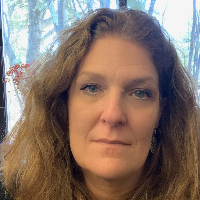
New York · 9 yrs exp
Stress, Anxiety · Relationship · Family · Depression · +14 more
Read profile
New York · 30 yrs exp
Stress, Anxiety · Family · Trauma and abuse · Parenting · +10 more
Read profile
New York · 15 yrs exp
Stress, Anxiety · Addictions · Relationship · Self esteem · +10 more
Read profile
New York · 12 yrs exp
Stress, Anxiety · Relationship · Self esteem · Depression · +10 more
Read profile
New York · 28 yrs exp
Stress, Anxiety · Family · Trauma and abuse · Self esteem · +10 more
Read profile
New York · 24 yrs exp
Relationship · Family · Self esteem · Career · +13 more
Read profile
New York · 10 yrs exp
Stress, Anxiety · Relationship · Family · Trauma and abuse · +11 more
Read profileIf you live in New York and are curious about parts work, you will find that many clinicians now include Internal Family Systems as part of their approach to therapy. IFS is built on the idea that the mind is naturally multiple - everyone has parts - and that none of those parts are inherently bad. Parts organize into roles: protectors, which include managers that act proactively to keep you safe, and firefighters that react impulsively when pain is felt. Exiles hold the original hurt, fear, or shame, and the Self is the calm, curious core that can lead the system toward healing.
What makes IFS distinctive is its stance toward those protector parts. Rather than trying to override or suppress them, effective parts work aims to understand a protector's intention, build trust with it, and then invite the Self to take a leadership role. This orientation differs from skills-based therapies that focus primarily on teaching coping techniques, and from behavioral approaches that emphasize changing actions. In New York, clinicians offer parts work in a variety of therapeutic contexts - with individuals, couples, and families - and many combine IFS with other approaches to meet specific needs. The directory shows clinicians who list IFS among their clinical approaches; you should ask each clinician about their specific experience and training with parts work before deciding if they are the right match for you.
People come to IFS for many reasons, and you might recognize some common threads in your own experience. IFS is often helpful when you feel at war with yourself - when different parts of you seem to want different things, when a reaction repeatedly overrides what you say you want, or when a harsh inner critic undermines your goals. Those stuck patterns can feel confusing and exhausting because protectors are working hard to keep pain out of awareness, but their strategies can create new problems over time.
In New York, clinicians commonly apply parts work to address trauma and childhood wounds by carefully building relationships with exiled parts and their protectors. You might seek IFS for anxiety that feels like a part that anticipates danger, for depression that feels like a weight some parts carry, or for persistent shame and self-criticism that limit your life. IFS is also used when people struggle with addictive or compulsive patterns, disordered eating, or repeated relationship cycles where a part's automatic response keeps repeating a familiar script. Rather than only teaching coping skills, IFS helps you get to know the parts behind those behaviors so you can shift the internal system with the Self leading. This can change how you relate to urges, ruminations, self-blame, and patterns that feel out of your control.
Parts work translates well to video sessions because the core of IFS is internal, reflective, and relational. When you meet with a clinician online you and your therapist can observe your tone, facial expressions, and body signals, which often provide important information about parts that are present in the moment. Many clinicians use gentle questions, guided attention, and paced invitations to help you notice where parts show up in your body and mind. You will likely do inner dialogues, bring compassion to protective parts, and practice Self-led curiosity - all of which can be effectively supported over a live video connection.
For a productive online session it matters more that you have a private space that is uninterrupted than a particular device or platform. Choose a location where you can step away from distractions and feel comfortable naming emotions. If you are in New York and seeking online treatment, be mindful that clinicians must be licensed in New York to provide clinical care to residents. That requirement helps ensure that your clinician is practicing under the state rules that govern professional licensing and scope of practice. Before you begin parts work online, talk with the clinician about what a typical session looks like, how they pace conversations, and what supports they use in case a session becomes intense.
Verifying a therapist's license is an important step when you are considering parts work. New York State regulates mental health professions through its Office of the Professions, and you can search the public license lookup to confirm a clinician's license type, status, and any disciplinary history. Start by noting the clinician's professional title on their profile - common licenses in New York include Licensed Clinical Social Worker, Licensed Mental Health Counselor, Licensed Psychologist, and Licensed Marriage and Family Therapist. Request the clinician's full name and license number if it is not listed, then use the New York State Education Department website to look up the record.
The license lookup will typically show whether the license is active, the license expiration date, and whether any formal actions have been taken. If you want extra assurance you can ask the clinician directly for the license number and the state where it was issued, and then confirm those details online. You can also review their listed degrees and professional affiliations to get a clearer picture of their background. Remember that listing Internal Family Systems as an approach is not the same as completing a particular IFS training pathway, so it is reasonable to ask a clinician about the specific training and experience they have with parts work when you contact them.
When you choose an IFS clinician it helps to focus on fit as much as credentials. Start by thinking about what matters most to you - whether you prefer a clinician with experience in trauma, eating difficulties, or relationship work; whether you want someone who shares your cultural background or speaks your language; and whether you value a clinician who integrates IFS with other modalities or who centers parts work as their primary approach. You can ask clinicians about the nature of their IFS experience, such as whether they have completed introductory workshops, attended Level 1 through Level 3 trainings offered by the IFS Institute, or pursued other study. Because listing IFS among approaches does not indicate completion of a particular training pathway or certification, it is appropriate to ask about their training history directly rather than assuming a specific qualification.
A consultation conversation can help you evaluate therapeutic fit. Use that time to notice whether the clinician explains the IFS model in a way that resonates with you, whether they describe how they create a calm, curious stance toward parts, and whether you feel heard when you share your core concerns. If you are weighing in-person versus online care, consider practical factors such as travel, your comfort with video sessions, and whether you prefer the presence of a therapy office. Many New York residents find online parts work convenient and effective, while others opt for in-person work when they want the sensory cues of a shared physical space. Either option can support meaningful parts work when the clinician has relevant experience and you feel a collaborative connection.
Above all, trust your sense of fit. Parts work invites you to bring curiosity to inner experience, and the best therapeutic relationships allow you to explore those parts at a pace that feels manageable. Ask clinicians about how they support safety if strong emotions arise, how they pace stages of work with protectors and exiles, and how they measure progress from a parts perspective. You do not need perfect answers, but clear communication about approach, training, and licensure will help you decide where to begin your IFS journey in New York.
Addictions
1144 therapists
ADHD
1068 therapists
Anger
1326 therapists
Control Issues
1214 therapists
Depression
1835 therapists
Dissociation
567 therapists
Eating Disorders
561 therapists
Grief
1521 therapists
Guilt and Shame
1685 therapists
Impulsivity
1041 therapists
Intimacy Issues
1160 therapists
Isolation / Loneliness
1502 therapists
OCD
752 therapists
Panic Disorder and Panic Attacks
1168 therapists
Post-Traumatic Stress
1521 therapists
Self Esteem
1791 therapists
Self-Harm
751 therapists
Sexual Trauma
806 therapists
Social Anxiety and Phobia
1437 therapists
Stress & Anxiety
1989 therapists
Trauma and Abuse
1735 therapists
Abandonment
1277 therapists
Attachment Issues
1391 therapists
Body Image
902 therapists
Codependency
1241 therapists
Compassion Fatigue
1155 therapists
Coping with Life Changes
1705 therapists
Family
1580 therapists
Family of Origin Issues
1198 therapists
Parenting
1355 therapists
Relationship
1777 therapists
Self-Love
1622 therapists