
Anne Douglas
LMFTNorth Carolina · 25 yrs exp
Stress, Anxiety · Relationship · Family · Grief · +15 more
Read profileThe therapist listings are provided by BetterHelp and we will earn a commission if you use our link - at no cost to you.
This page helps you explore clinicians who list Internal Family Systems among their approaches for addictions. Browse the therapist listings below to find clinicians who integrate parts work with trauma-informed care.
North Carolina · 25 yrs exp
Stress, Anxiety · Relationship · Family · Grief · +15 more
Read profile
Colorado · 19 yrs exp
Stress, Anxiety · Relationship · Trauma and abuse · Grief · +12 more
Read profile
Florida · 20 yrs exp
Stress, Anxiety · Addictions · Relationship · Self esteem · +16 more
Read profile
Kansas · 12 yrs exp
Stress, Anxiety · Relationship · Intimacy-related issues · Depression · +13 more
Read profile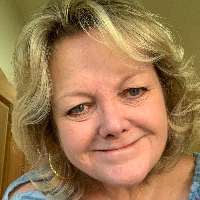
Colorado · 17 yrs exp
Relationship · Trauma and abuse · Parenting · Self esteem · +8 more
Read profile
Colorado · 15 yrs exp
Stress, Anxiety · Relationship · Intimacy-related issues · Self esteem · +10 more
Read profile
Louisiana · 7 yrs exp
Stress, Anxiety · Family · Trauma and abuse · Parenting · +15 more
Read profile
Missouri · 7 yrs exp
Stress, Anxiety · Addictions · Relationship · Self esteem · +13 more
Read profile
Louisiana · 10 yrs exp
Stress, Anxiety · Relationship · Family · Depression · +12 more
Read profile
Ohio · 18 yrs exp
Stress, Anxiety · Trauma and abuse · Grief · Anger · +11 more
Read profile
Missouri · 14 yrs exp
Stress, Anxiety · Self esteem · Career · Depression · +13 more
Read profile
California · 8 yrs exp
Stress, Anxiety · Addictions · Relationship · Self esteem · +15 more
Read profile
Texas · 22 yrs exp
Stress, Anxiety · Relationship · Trauma and abuse · Depression · +16 more
Read profile
New Jersey · 8 yrs exp
Stress, Anxiety · Relationship · Trauma and abuse · Bipolar · +14 more
Read profile
Indiana · 8 yrs exp
Stress, Anxiety · Addictions · Family · Trauma and abuse · +15 more
Read profile
Utah · 6 yrs exp
Stress, Anxiety · Trauma and abuse · Self esteem · Depression · +8 more
Read profile
Virginia · 31 yrs exp
Stress, Anxiety · Relationship · Family · Trauma and abuse · +12 more
Read profile
Florida · 17 yrs exp
Stress, Anxiety · Trauma and abuse · Eating · Self esteem · +14 more
Read profile
Mississippi · 25 yrs exp
Stress, Anxiety · Relationship · Family · Grief · +15 more
Read profile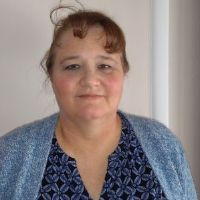
Nebraska · 25 yrs exp
Stress, Anxiety · Family · Trauma and abuse · Parenting · +12 more
Read profile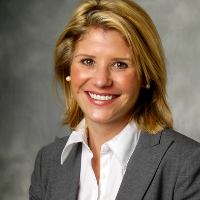
South Carolina · 20 yrs exp
Stress, Anxiety · Relationship · Eating · Self esteem · +10 more
Read profile
Ohio · 17 yrs exp
Stress, Anxiety · Family · Parenting · Depression · +12 more
Read profile
Louisiana · 28 yrs exp
Stress, Anxiety · Relationship · Grief · Self esteem · +15 more
Read profile
Louisiana · 25 yrs exp
Addictions · Relationship · Family · Trauma and abuse · +11 more
Read profileAddictions are often described in terms of symptoms and behaviors, but from an Internal Family Systems perspective you will look first at the protective patterns that keep those behaviors in place. IFS, developed by Richard Schwartz in the 1980s, rests on the idea that the mind is naturally multiple. Parts emerge to protect you from pain - some organize life to avoid feeling hurt and others act quickly to dampen or distract from overwhelming emotion. When substances or compulsive behaviors have become a go-to response, they are usually serving a protective role even if the cost is high.
Rather than treating the behavior as the enemy to be forced away, IFS helps you learn why certain parts rely on these strategies. Managers are the parts that work proactively to prevent painful feelings from coming forward. Firefighters are reactive parts that try to extinguish pain as it breaks through, often through intense or impulsive actions. Exiles carry the core wounds and distress that protectors are guarding. The clinical aim is to change your relationship to those protectors so they can step back and allow the Self - the calm, curious center - to lead. This reframing can shift recovery away from willpower and toward understanding what each part is trying to achieve for you.
In IFS work you will learn to identify the parts involved in your addictive patterns and explore the intentions behind them. A substance-using part may be trying to numb intolerable feelings, block memories, or manage shame. A manager part might control routines or relationships to minimize triggers. When you approach these parts with curiosity rather than judgment, they are more likely to reveal what they fear and what they need. Your therapist will guide you to notice how parts speak and how they influence choices, which gives you access to change that is not solely based on external rules.
Working with protectors directly reduces the need for them to operate in extreme ways. When a firefighter is heard and its fears are addressed, it may release its grip and allow space for less destructive coping. The process also attends to exiled parts that hold pain or trauma - as those burdens are lightened, the protective parts often reorganize. The ultimate aim is for the Self - characterized by curiosity, compassion, clarity, and calm - to take a leadership role, enabling more thoughtful responses to craving, stress, and interpersonal triggers.
Your sessions will typically begin with a gentle orientation to parts work. Early meetings often focus on building safety and learning to notice which parts show up when you feel cravings, shame, or the urge to use. A therapist may help you distinguish between speaking from a part and speaking for a part - a skill called unblending. Unblending lets you observe a part rather than being fully carried by it, so you can respond rather than react.
Therapists using IFS commonly invite you to approach parts with respectful curiosity, asking what a protector is trying to prevent and what it fears would happen if it stopped. Many clinicians ask protectors for permission before exploring sensitive memories so the work proceeds at a pace the system can tolerate. Over time, and often in later sessions, the focus may shift toward unburdening exiled parts - helping those parts release extreme beliefs and emotions they have carried for years. Integration and relational work follow, as parts learn new roles that are less harmful. Sessions can vary in tempo; some weeks you may spend time tracking triggers and practicing unblending, while other weeks you may engage in deeper internal dialogue and transform long-held burdens.
You may find IFS particularly helpful if you feel at war with yourself, struggle with intense self-criticism, or carry longstanding shame and self-blame. People who notice conflicting inner voices - one part trying to control and another sabotaging efforts - often appreciate the parts-based language and the compassionate stance of IFS. Because IFS targets the relationships between parts rather than teaching only techniques, it can address the emotional drivers that contribute to recurring use.
IFS differs from skills-based approaches like CBT or DBT in that it is less focused on teaching specific coping techniques and more focused on shifting internal relationships and leadership. That said, many clinicians integrate IFS with skills training so you can use practical strategies while you do deeper parts work. IFS is also frequently combined with trauma-informed modalities when traumatic exiles are central to the pattern. Eye Movement Desensitization and Reprocessing - EMDR - or somatic approaches may be used alongside IFS when the clinician and you determine that memory processing or body-based regulation is needed. A thoughtful treatment plan recognizes the value of multiple tools while keeping parts work as a guiding framework.
When selecting a therapist, focus on how well they describe their work with IFS and addictions rather than assuming a particular credential guarantees fit. Ask whether they list Internal Family Systems among their approaches and how they typically integrate parts work with addiction-focused care and trauma-informed practices. It is appropriate to inquire about training pathways you care about - the IFS Institute offers Level 1 through Level 3 trainings and a separate certification process - and to ask whether the clinician has completed any of those steps. Many therapists have learned IFS through different programs, so asking directly about background and ongoing supervision is the clearest route.
Also consider practical factors that influence fit. Compare focus areas, clinical approaches, professional credentials, languages spoken, and experience working with addictions and trauma. In an initial consultation you can gauge whether the therapist explains parts work in a way that makes sense to you, invites curiosity about your internal system, and respects pacing. You might ask how they handle crisis situations and whether they coordinate care with medical providers or support systems when needed. If you prefer video sessions, know that IFS translates well to online work because its main tools are internal noticing and dialogue. Finally, verify licensure in your jurisdiction so you understand professional oversight and ethical standards. Choosing a therapist is a personal decision; looking for clear communication about parts work, respectful curiosity, and relevant experience can help you find a clinician who fits your needs.
Internal Family Systems offers a relational way of understanding and relieving the dynamics that sustain addictive behaviors. By learning to listen to protectors, unblend from reactive parts, and access the qualities of the Self, you can create lasting shifts that support recovery and greater inner harmony.
Alabama
28 therapists
Alaska
6 therapists
Arizona
31 therapists
Arkansas
8 therapists
California
189 therapists
Colorado
70 therapists
Connecticut
20 therapists
Delaware
6 therapists
District of Columbia
6 therapists
Florida
234 therapists
Georgia
83 therapists
Hawaii
9 therapists
Idaho
19 therapists
Illinois
76 therapists
Indiana
42 therapists
Iowa
5 therapists
Kansas
21 therapists
Kentucky
26 therapists
Louisiana
45 therapists
Maine
5 therapists
Maryland
20 therapists
Massachusetts
23 therapists
Michigan
81 therapists
Minnesota
31 therapists
Mississippi
21 therapists
Missouri
67 therapists
Montana
16 therapists
Nebraska
16 therapists
Nevada
15 therapists
New Hampshire
8 therapists
New Jersey
38 therapists
New Mexico
12 therapists
New York
83 therapists
North Carolina
84 therapists
North Dakota
4 therapists
Ohio
47 therapists
Oklahoma
46 therapists
Oregon
19 therapists
Pennsylvania
75 therapists
Rhode Island
3 therapists
South Carolina
36 therapists
South Dakota
4 therapists
Tennessee
36 therapists
Texas
202 therapists
Utah
44 therapists
Vermont
9 therapists
Virginia
33 therapists
Washington
29 therapists
West Virginia
8 therapists
Wisconsin
42 therapists
Wyoming
6 therapists