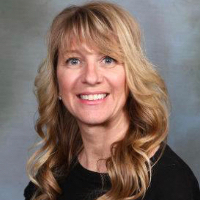
Renee LaVigne
LMSWMichigan · 25 yrs exp
Stress, Anxiety · Relationship · Self esteem · Coping with life changes · +11 more
Read profileThe therapist listings are provided by BetterHelp and we will earn a commission if you use our link - at no cost to you.
Welcome to IFSTherapists' Michigan directory for clinicians who list Internal Family Systems among their clinical approaches. The listings highlight licensed professionals who note IFS in their profiles. Explore the directory to compare approaches, specialties, languages, and credentials to find a good match for your needs.
Michigan · 25 yrs exp
Stress, Anxiety · Relationship · Self esteem · Coping with life changes · +11 more
Read profile
Michigan · 8 yrs exp
Stress, Anxiety · Self esteem · Career · Depression · +16 more
Read profile
Michigan · 40 yrs exp
Stress, Anxiety · Family · Grief · Self esteem · +16 more
Read profile
Michigan · 25 yrs exp
Stress, Anxiety · Anger · Self esteem · Depression · +6 more
Read profile
Michigan · 9 yrs exp
Stress, Anxiety · Addictions · Relationship · Trauma and abuse · +15 more
Read profile
Michigan · 21 yrs exp
Stress, Anxiety · Relationship · Self esteem · Depression · +1 more
Read profile
Michigan · 20 yrs exp
Stress, Anxiety · Relationship · Parenting · Depression · +12 more
Read profile
Michigan · 24 yrs exp
Stress, Anxiety · Addictions · Relationship · Family · +15 more
Read profile
Michigan · 25 yrs exp
Stress, Anxiety · Addictions · Grief · Self esteem · +15 more
Read profile
Michigan · 38 yrs exp
Stress, Anxiety · Family · Trauma and abuse · Parenting · +14 more
Read profile
Michigan · 41 yrs exp
Stress, Anxiety · Trauma and abuse · Anger · Bipolar · +9 more
Read profile
Michigan · 5 yrs exp
Stress, Anxiety · Addictions · Trauma and abuse · Grief · +1 more
Read profile
Michigan · 12 yrs exp
Stress, Anxiety · Addictions · Family · Trauma and abuse · +9 more
Read profile
Michigan · 17 yrs exp
Stress, Anxiety · Relationship · Family · Trauma and abuse · +8 more
Read profile
Michigan · 20 yrs exp
Stress, Anxiety · Trauma and abuse · Grief · Self esteem · +15 more
Read profile
Michigan · 10 yrs exp
LGBT · Relationship · Trauma and abuse · Anger · +9 more
Read profile
Michigan · 12 yrs exp
Addictions · Relationship · Trauma and abuse · Self esteem · +11 more
Read profile
Michigan · 10 yrs exp
Stress, Anxiety · Family · Trauma and abuse · Depression · +16 more
Read profile
Michigan · 15 yrs exp
Stress, Anxiety · Family · Grief · Depression · +12 more
Read profile
Michigan · 16 yrs exp
Relationship · Family · Trauma and abuse · Grief · +9 more
Read profile
Michigan · 25 yrs exp
Stress, Anxiety · Family · Trauma and abuse · Parenting · +10 more
Read profile
Michigan · 8 yrs exp
Stress, Anxiety · Relationship · Grief · Self esteem · +14 more
Read profile
Michigan · 16 yrs exp
Stress, Anxiety · Relationship · Parenting · Depression · +14 more
Read profile
Michigan · 9 yrs exp
Stress, Anxiety · LGBT · Relationship · Family · +13 more
Read profileIf you are in Michigan and curious about parts work, you will find that many clinicians include Internal Family Systems as an approach in their online practice. IFS rests on the idea that the mind is naturally multiple - you have distinct parts that carry emotions, beliefs, reactions, and memories. None of these parts are inherently bad. Protectors, which often show up as self-critical inner voices or abrupt emotional reactions, are usually grouped into managers - the proactive parts that try to prevent harm - and firefighters - the reactive parts that step in when pain floods your system. Exiles are the parts that hold original wounds, shame, or fear, while the Self is the calm, curious core that can lead healing when it is invited to do so. These ideas shape how clinicians approach therapy and how you might experience sessions that focus on getting to know rather than overriding parts.
Because IFS centers on internal exploration rather than only teaching coping techniques, it can appeal to people who feel like they are at war with themselves - for example, when one reaction repeatedly overrides what you truly want or when strong emotions feel like intruders. Online options make parts work more accessible across Michigan, allowing people in urban and rural settings to connect with clinicians who list IFS as part of their toolkit.
You might consider parts work when you notice patterns that seem to repeat despite your best efforts. IFS is commonly used by people dealing with the aftermath of trauma and childhood wounds, persistent anxiety or depression, harsh self-criticism, and intense shame. It is also applied to addictive or compulsive behaviors, eating difficulties, and recurring relational patterns where you find yourself behaving in ways that clash with your values or goals. The work focuses on how protectors try to keep you functioning and how exiles hold the emotional material that protectors are so intent on shielding you from.
Unlike skills-based approaches that emphasize tools and strategies, such as cognitive behavioral techniques or dialectical behavioral skills, IFS works by creating a relationship with parts so that the Self can begin to lead. This does not mean you will never practice new skills - many clinicians integrate parts work with behavioral methods - but the distinctive emphasis of IFS is on cultivating curiosity and compassionate inquiry toward your internal system. If you are tired of techniques that only treat symptoms, parts work offers a way to address the inner system that shapes those symptoms.
Parts work often translates well to video sessions because it relies on reflection, dialogue, and guided attention rather than hands-on techniques. During an online session you can expect a clinician who lists IFS to invite you to notice a part, describe how it feels, and explore the part's role and history with gentle curiosity. Visual cues, tone of voice, and shared pacing allow you and the clinician to stay attuned to shifts in emotion and bodily sensation, which are central to this work.
For productive online parts work, what matters most is a private space where you will not be interrupted and a reliable internet connection that lets you maintain eye contact and presence. If you are planning sessions from home or another location, consider where you can be undisturbed and comfortable. Keep in mind that clinicians treating Michigan residents must be licensed to practice in Michigan, so look for profiles that indicate licensure relevant to your state. Many clinicians combine IFS-minded inquiry with other therapeutic tools, and you can expect an online session to feel like a focused conversation that helps you meet parts of yourself with curiosity.
Before committing time and energy to a clinician, you may want to confirm their licensure and professional standing. In Michigan, licensing information for counselors, social workers, marriage and family therapists, and psychologists is maintained by the state licensing authority. To verify a clinician's credentials, gather the provider's full name and any license type or number listed on their profile, then consult the Michigan licensing portal to search the public license lookup. This search will typically show the license type, issue and expiration dates, and whether there are any disciplinary actions or restrictions on practice.
If you prefer direct confirmation, you can contact the appropriate licensing board or department for guidance on interpreting the public record. When you review the licensure record, pay attention to the listed credentials - for example, LCSW, LPC, LMFT, or PhD - and the scope of practice associated with them. Verifying licensure helps you understand a clinician's official qualifications and whether their documented scope aligns with the services you are seeking.
When you are evaluating clinicians who list Internal Family Systems among their approaches, think about fit on several dimensions. Training and experience in parts work can vary, so ask directly about the clinician's background with IFS-related trainings and whether they incorporate the model frequently in sessions or integrate it with other methods. The IFS Institute offers sequential levels of training and a separate certification process; many practitioners study IFS through workshops or ongoing consultation without completing formal certification. Because listing IFS as an approach does not indicate a specific level of completion, it is reasonable to inquire about which trainings a clinician has completed and how they describe their ongoing learning.
Beyond training, consider focus areas - some clinicians emphasize trauma recovery, others concentrate on relationships, eating concerns, or addiction - and whether their specialties resonate with your priorities. Look at languages spoken, years of experience, and any populations a clinician highlights, such as working with adolescents, adults, or couples. A consultation conversation can help you evaluate relational fit - whether you feel heard and whether the clinician's explanation of how parts work will be helpful to you. Also weigh whether you prefer the dynamic of online sessions or in-person meetings if those options are relevant to your location; some people find the convenience of online meetings allows them to engage more consistently, while others prefer in-person connection for certain kinds of work.
Finally, keep in mind that licensure, focus areas, approaches, and lived experience shape how clinicians practice. Ask about how they integrate IFS with other methods, what a typical session feels like, and how they approach pacing and safety in parts work. Being clear about these elements will help you decide which profiles to explore more deeply in the directory and which clinicians to reach out to for an introductory conversation about fit.
If you are ready to explore clinicians who use Internal Family Systems concepts in Michigan, this directory can help you compare profiles and identify practitioners whose approaches and specialties align with your needs. As you review listings, make time to verify licensure through the state portal and to ask specific questions about training and practice style. Parts work can open new pathways to understanding yourself - approaching the process with curiosity and informed questions will help you find a clinician whose way of working supports your goals.
Addictions
1144 therapists
ADHD
1068 therapists
Anger
1326 therapists
Control Issues
1214 therapists
Depression
1835 therapists
Dissociation
567 therapists
Eating Disorders
561 therapists
Grief
1521 therapists
Guilt and Shame
1685 therapists
Impulsivity
1041 therapists
Intimacy Issues
1160 therapists
Isolation / Loneliness
1502 therapists
OCD
752 therapists
Panic Disorder and Panic Attacks
1168 therapists
Post-Traumatic Stress
1521 therapists
Self Esteem
1791 therapists
Self-Harm
751 therapists
Sexual Trauma
806 therapists
Social Anxiety and Phobia
1437 therapists
Stress & Anxiety
1989 therapists
Trauma and Abuse
1735 therapists
Abandonment
1277 therapists
Attachment Issues
1391 therapists
Body Image
902 therapists
Codependency
1241 therapists
Compassion Fatigue
1155 therapists
Coping with Life Changes
1705 therapists
Family
1580 therapists
Family of Origin Issues
1198 therapists
Parenting
1355 therapists
Relationship
1777 therapists
Self-Love
1622 therapists