
Emma Cott
LCMFTKansas · 12 yrs exp
Stress, Anxiety · Relationship · Intimacy-related issues · Depression · +13 more
Read profileThe therapist listings are provided by BetterHelp and we will earn a commission if you use our link - at no cost to you.
Welcome to IFSTherapists' Kansas directory for Internal Family Systems (IFS). Each clinician listed is licensed in Kansas and includes Internal Family Systems among their clinical approaches. Explore the listings below to review specialties, languages, credentials, and therapeutic focus.
Kansas · 12 yrs exp
Stress, Anxiety · Relationship · Intimacy-related issues · Depression · +13 more
Read profile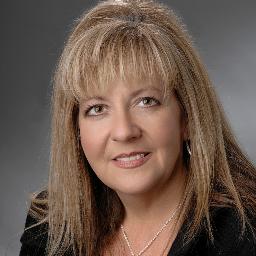
Kansas · 17 yrs exp
Stress, Anxiety · Relationship · Family · Anger · +10 more
Read profile
Kansas · 7 yrs exp
Stress, Anxiety · Addictions · Trauma and abuse · Bipolar · +10 more
Read profile
Kansas · 40 yrs exp
Stress, Anxiety · Family · Trauma and abuse · Bipolar · +1 more
Read profile
Kansas · 41 yrs exp
Stress, Anxiety · Trauma and abuse · Grief · Career · +16 more
Read profile
Kansas · 36 yrs exp
Stress, Anxiety · Addictions · Grief · Depression · +16 more
Read profile
Kansas · 15 yrs exp
Relationship · Family · Intimacy-related issues · Parenting · +2 more
Read profile
Kansas · 20 yrs exp
Relationship · Family · Trauma and abuse · Intimacy-related issues · +13 more
Read profile
Kansas · 10 yrs exp
Stress, Anxiety · Relationship · Trauma and abuse · Depression · +13 more
Read profile
Kansas · 16 yrs exp
Stress, Anxiety · Addictions · Trauma and abuse · Bipolar · +15 more
Read profile
Kansas · 19 yrs exp
Stress, Anxiety · Family · Trauma and abuse · Depression · +8 more
Read profile
Kansas · 12 yrs exp
Stress, Anxiety · Relationship · Self esteem · Career · +12 more
Read profile
Kansas · 30 yrs exp
Relationship · Family · Grief · Parenting · +13 more
Read profile
Kansas · 8 yrs exp
Addictions · Relationship · Family · Trauma and abuse · +12 more
Read profile
Kansas · 10 yrs exp
Stress, Anxiety · Relationship · Trauma and abuse · Parenting · +16 more
Read profile
Kansas · 20 yrs exp
Relationship · Family · Trauma and abuse · Intimacy-related issues · +11 more
Read profile
Kansas · 7 yrs exp
Stress, Anxiety · Relationship · Trauma and abuse · Self esteem · +1 more
Read profile
Kansas · 10 yrs exp
Addictions · Relationship · Family · Intimacy-related issues · +8 more
Read profile
Kansas · 6 yrs exp
Stress, Anxiety · Addictions · Relationship · Grief · +1 more
Read profile
Kansas · 26 yrs exp
Stress, Anxiety · Family · Trauma and abuse · Self esteem · +10 more
Read profile
Kansas · 5 yrs exp
Stress, Anxiety · Relationship · Trauma and abuse · Self esteem · +1 more
Read profileIf you live in Kansas and are curious about Internal Family Systems, you are looking at an approach that starts from a simple but powerful idea - the mind is naturally multiple and everyone carries parts. These parts develop roles over time; some protect against feeling pain, others hold the original wounds. Internal Family Systems focuses on getting to know those protectors rather than trying to override them, and it invites the Self - the calm, curious core of your system - to lead the process. That orientation makes IFS distinct from skills-based therapies which emphasize learning and applying strategies, and from behavioral approaches that focus on changing patterns through practice. IFS is less about fixing behavior first and more about understanding the internal relationships that shape your reactions and choices.
Across Kansas, therapists who list Internal Family Systems among their approaches apply parts work in online sessions as well as in person. For many people, the reflective, relational nature of IFS translates well to video sessions. You can expect a pace that honors your parts - particularly protectors that are often organized as managers and firefighters - while creating space for exiled parts that carry early hurt. Managers are proactive parts that try to keep you functioning while firefighters react quickly to push down painful feelings. The work is to learn how these parts are trying to help and to build cooperation under the leadership of the Self.
You might consider parts work when it feels like you are at war with yourself, when one reaction repeatedly overrides the life you want to build, or when a persistent inner critic sabotages your choices. IFS is often used for trauma and childhood wounds, because it provides a framework to compassionately approach vulnerable exiled parts that carry distressing memories and feelings. It is also applied to anxiety and depression, where protectors can keep painful feelings at bay in ways that ultimately limit you.
People turn to IFS for help with harsh self-criticism and shame, because the model names those internal voices and reframes them as protectors doing their best. Compulsive or addictive patterns can also be approached as firefighters - urgent parts that extinguish internal pain through quick, sometimes harmful behaviors. Eating difficulties and persistent body-image distress frequently have complex part dynamics that respond to parts work. Relationship patterns are another focus; repeated reactions that damage connection can be mapped to the roles parts play when triggered. In short, IFS tends to be helpful when the core issue is not a single behavior to learn or unlearn, but a set of internal allies and antagonists that need attention, curiosity, and reorganization.
Because IFS emphasizes inner experience, reflection, and dialogue with parts, it adapts well to online video sessions. You can practice noticing sensations, emotions, and images while the therapist guides you through questions that help you meet parts with curiosity. The work often involves gentle pacing and repeated invitations to the Self to listen and lead, which can be done effectively through video. For sessions to feel most effective, choose a private space where interruptions are unlikely and you can focus on internal material. A comfortable environment, headphones if you prefer, and predictable internet connections support the flow of parts work.
Therapists who provide online care for Kansas residents must hold an active Kansas license to practice with people in the state. That license determines what services a clinician is authorized to deliver, including telehealth. If you plan to work online with someone who lists Internal Family Systems among their approaches, ask about how they adapt their parts work for video sessions, how they handle intense material, and what supports they use for grounding or stabilization when needed. Those practical details help you imagine how the work will unfold across the screen and whether that format matches your needs.
If you want to confirm a clinician is licensed in Kansas, start by asking the therapist for their license number and the type of license they hold - such as licensed professional counselor, licensed clinical social worker, licensed marriage and family therapist, or psychologist. With that information, use the appropriate Kansas state licensing board's online lookup tool to verify active status, expiration date, and any public disciplinary history. The board listings typically show the license class and may list whether the practitioner is authorized to provide telehealth services in the state. If you prefer, you can also call the licensing board to ask about a practitioner's standing and to request public records.
When reviewing license records, pay attention to license type and scope of practice because those determine what the clinician is legally able to provide. A license in Kansas means the clinician meets the state requirements to practice there, which is important if you are receiving care while residing in Kansas. Reviewing the board record alongside a therapist's profile gives you a clearer picture of credentials and any formal actions that are part of the public record.
Choosing a therapist for parts work starts with fit as much as credentials. Ask clinicians about their experience with Internal Family Systems and the kinds of IFS-related trainings they have completed, such as work with Level 1 to Level 3 offerings or other workshops. The IFS Institute runs tiered trainings and a separate certification path; many clinicians study parts work without completing those exact programs, so it is helpful to ask directly about what a clinician has studied and how they integrate that work into sessions. Because the directory shows therapists who include Internal Family Systems among their approaches, use the profile and your consultation to clarify whether parts work is a central orientation for them or an element they combine with other methods.
In a consultation, ask how they typically begin parts work with new clients, how they handle intense emotional material or crisis, and how they integrate skills-based or behavioral supports like CBT or DBT when needed. Some people find a purely relational parts approach most helpful, while others appreciate a blend - for example, using parts work to understand why a behavior occurs and skills to manage symptoms when needed. You should also consider language, cultural competence, and experience with issues that matter to you, such as parenting, chronic illness, or specific trauma histories. If you are weighing in-person versus online care, think about what helps you feel most present and supported. Online work can be deeply effective for many people, while others prefer in-person connection for certain kinds of emotional material. If you opt for online sessions, confirm that the clinician is licensed to practice in Kansas so their services are authorized for residents of the state.
Finally, remember that profiles in this directory indicate clinicians who list Internal Family Systems among their clinical approaches. That listing does not mean they hold any particular level of IFS credentialing. Ask about training, experience, and how they would work with the particular concerns you bring so you can evaluate both their skill set and whether you feel comfortable working with them over time.
Finding the right match can take time, but focusing on a therapist's approach to parts work, their Kansas licensure, and how they explain integrating IFS with other methods will give you practical criteria for choosing someone who fits your needs.
Addictions
1144 therapists
ADHD
1068 therapists
Anger
1326 therapists
Control Issues
1214 therapists
Depression
1835 therapists
Dissociation
567 therapists
Eating Disorders
561 therapists
Grief
1521 therapists
Guilt and Shame
1685 therapists
Impulsivity
1041 therapists
Intimacy Issues
1160 therapists
Isolation / Loneliness
1502 therapists
OCD
752 therapists
Panic Disorder and Panic Attacks
1168 therapists
Post-Traumatic Stress
1521 therapists
Self Esteem
1791 therapists
Self-Harm
751 therapists
Sexual Trauma
806 therapists
Social Anxiety and Phobia
1437 therapists
Stress & Anxiety
1989 therapists
Trauma and Abuse
1735 therapists
Abandonment
1277 therapists
Attachment Issues
1391 therapists
Body Image
902 therapists
Codependency
1241 therapists
Compassion Fatigue
1155 therapists
Coping with Life Changes
1705 therapists
Family
1580 therapists
Family of Origin Issues
1198 therapists
Parenting
1355 therapists
Relationship
1777 therapists
Self-Love
1622 therapists