LPC, LPCC
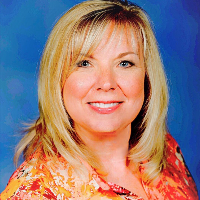
Dr. Phyllis Mogielski-Watson, LPC, LPCC
- Experience30 years
- LocationIllinois
- Focus areasStress and Anxiety, Relationship, and Grief
- Therapy approachesInternal Family Systems and Acceptance and Commitment Therapy (ACT)
Review online therapy options and next steps on BetterHelp.
About Phyllis
Dr. Phyllis Mogielski-Watson brings three decades of clinical experience to work with people facing stress, anxiety, grief, relationship struggles, depression, bipolar disorder, addiction, ADHD, and a wide range of life transitions.
Background and approach
She approaches concerns such as self-esteem, coping with change, parenting challenges, sleep problems, career stress, and compassion fatigue with a focus on strengths and practical coping strategies. Her style blends client-centered and narrative elements with evidence-informed methods like Internal Family Systems, Acceptance and Commitment Therapy, attachment-based work, and cognitive behavioral techniques.
Dr. Phyl encourages clients to tell their stories and uses that material to build concrete action plans, skill-building, and behavioral goals.
Her training and long practice inform a pragmatic, humanistic stance that values personal meaning and purpose. Licensed as an LPC and LPCC, she has a history of working across clinical settings and supporting people in recovery from substance use concerns, as well as those navigating medical and caregiver stress.
Dr. Phyl aims to help clients identify personal strengths, address obstacles, and move toward a life that feels more purposeful and manageable.
How therapeutic approaches translate to online care
Internal Family Systems (IFS) views a person as made up of distinct parts and a core Self; work in IFS helps people notice internal voices, better understand conflicting beliefs or emotions, and build internal cooperation to address trauma, shame, and relational patterns. Acceptance and Commitment Therapy (ACT) focuses on clarifying values, accepting difficult emotions, and taking committed action toward meaningful goals, which is often useful for anxiety, depression, and life transitions. Attachment-Based Therapy centers on understanding relational patterns that developed early in life and uses that insight to improve current relationships and emotional regulation.Finding the right mix of methods is collaborative. The therapist will discuss clients' needs, goals, and preferences and then tailor which approaches to emphasize, adjusting the plan as progress and feedback guide the work.
Online sessions are offered via video calls, phone sessions, live chat, or text-based messaging to increase flexibility for people balancing work, caregiving, or health constraints. These formats make it easier to maintain consistent appointments, practice skills between sessions, and access therapy from different locations while working with licensed professionals committed to a practical, strengths-based process.
Frequently asked questions
What kinds of problems does this therapist address?
What is her therapeutic style and approach?
How much clinical experience does she have?
What credentials and location are listed for this therapist?
Does she offer services in languages other than English or to international clients?
Which session formats are available for online work?
How are costs and scheduling handled?
What are the first steps to begin therapy?
Areas of expertise
Primary focus
Also works with
Additional focus areas
Therapeutic approaches
Experience
30+ years
Licensed
Illinois, Ohio, Colorado, Arizona
Languages
English