LMHC
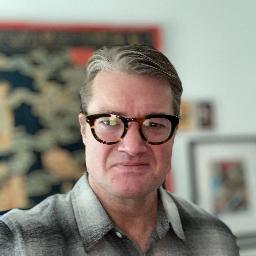
Frank Aldridge, LMHC
- Experience15 years
- LocationWashington
- Focus areasAddictions, Family, and Trauma and abuse
- Therapy approachesInternal Family Systems and Acceptance and Commitment Therapy (ACT)
Review online therapy options and next steps on BetterHelp.
About Frank
Frank Aldridge is a Licensed Mental Health Counselor (LMHC) with 15 years of clinical experience based in Washington.
Background and approach
He draws on a broadly integrative approach that includes Internal Family Systems, Acceptance and Commitment Therapy, Cognitive Behavioral Therapy, and mindfulness-based practices to address challenges such as anxiety, depression, addiction, trauma, and relationship difficulties.
His background includes early work in outpatient and residential treatment settings and years in independent practice, which inform a practical, experience-grounded way of working with clients. Frank emphasizes a client-centered stance that values emotions as sources of information rather than problems to be dismissed.
He invites exploration of family patterns, attachment wounds, and internal parts of the self while teaching skills for coping with stress, grief, and life transitions. Through collaborative sessions he aims to increase awareness, strengthen self-compassion, and support meaningful change for people grappling with issues like compulsive behaviors, codependency, feelings of emptiness, and struggles around intimacy and self-worth.
Approaches for Online Change and Inner Balance
Internal Family Systems (IFS) views the mind as composed of distinct parts with different roles and feelings; IFS-guided work helps clients identify and relate to those parts with curiosity and compassion, which can be useful for addressing trauma, shame, and patterns of avoidance. Acceptance and Commitment Therapy (ACT) emphasizes noticing thoughts and feelings without getting fused to them, clarifying personal values, and taking committed action; it is often helpful for anxiety, depression, and life transitions where clients want more purposeful engagement.
Choosing an approach is part of the collaborative journey. The therapist will work with each person to determine which methods fit their needs and priorities, mixing parts work, acceptance strategies, cognitive techniques, and mindfulness exercises as appropriate. This lets clients test different tools and discover what supports their goals most effectively.
Online therapy offers practical flexibility through video calls, phone sessions, live chat, and text-based messaging, making it easier to maintain continuity across busy schedules or when in-person visits are difficult. These options allow for real-time conversations, written reflection, and between-session check-ins, supporting steady progress while adapting to each person's life circumstances.
Frequently asked questions
What concerns does this therapist commonly address?
How would you describe Frank's therapeutic style?
What kind of clinical experience does he bring?
What are his credentials and where is he licensed?
Does he provide services in multiple languages or to international clients?
What session formats are available for therapy?
How are fees and scheduling handled?
What does the initial sign-up process look like?
Areas of expertise
Primary focus
Also works with
Additional focus areas
Therapeutic approaches
Experience
15+ years
Licensed
Washington
Languages
English